Key Takeaways
- Learn how to use lighting to transform your living space.
- Discover the latest trends in home lighting.
- Understand the importance of integrating functional and aesthetic lighting.
- Explore various types of lighting fixtures and their uses.
- Get tips on selecting eco-friendly and energy-efficient lighting options.
Table of Contents
- Latest Trends in Home Lighting
- Balancing Functional and Aesthetic Lighting
- Variety of Lighting Fixtures
- Eco-Friendly and Energy-Efficient Lighting
Latest Trends in Home Lighting
New trends in home lighting appear every year, and the industry is constantly changing. These days, intelligent lighting solutions are one of the biggest trends. With the help of voice assistants or smartphone apps, homeowners may adjust the brightness, color, and even the schedule of their lights with these systems. Alternatively, to a startling alarm, you may program your lights to brighten in the morning to resemble the sunrise progressively. In addition, Architectural Digest points out that arranging various light sources in your home can make it seem more vibrant and welcoming. Combining overhead lights with floor lamps, wall sconces, and task lighting can give each room a cozy and functional feel.
Another popular trend is using custom display cases NJ to highlight art and decor. These display cases can be designed to seamlessly blend into any room, adding both functionality and an artistic touch to your lighting setup. Whether you’re showcasing a prized collection or simply want to add a focal point to your living space, creative lighting solutions can make a significant impact. For instance, LED strip lights can be used inside these cases to highlight artifacts without adding heat, making them perfect for delicate or valuable items.
Balancing Functional and Aesthetic Lighting
Adequate home lighting strikes a perfect balance between functionality and aesthetics. Functional lighting should ensure that each room is well-lit for everyday tasks, such as cooking, reading, or working. This often involves using bright, focused lights that reduce eye strain and improve productivity. Conversely, aesthetic lighting can highlight architectural features or create a mood, such as dimmable lights for a romantic dinner setting or colorful LEDs for a party atmosphere. Consider integrating a mix of ambient, task, and accent lighting to achieve this balance. For instance, pendant lights over a kitchen island can provide task lighting and a stylish statement piece.
Moreover, wall sconces strategically placed around a room can add a soft glow and highlight artwork or architectural details. Floor lamps can serve as functional and decorative pieces, blending seamlessly into your decor while providing the necessary light. Chandeliers can add elegance to dining rooms, while table lamps can enhance the coziness of a reading nook. The key is to layer lighting sources to complement each other and add versatility to the space.
Variety of Lighting Fixtures
A wide array of lighting fixtures are available, each designed for specific purposes. Chandeliers can add elegance to dining rooms, whereas recessed ceiling lights offer a modern look for living spaces. These fixtures are installed into hollow openings in the ceiling, giving a sleek and discreet appearance. Wall sconces are perfect for adding a touch of sophistication to hallways or bedside lighting, as they don’t take up any floor space and can direct light upwards and downwards. Understanding the purpose of each fixture will help you choose the right ones for your home.
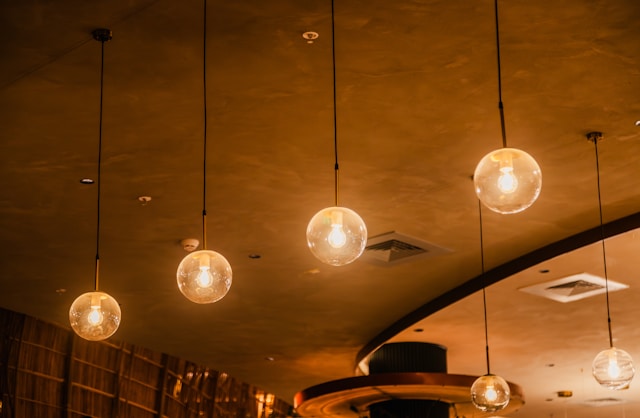
For example, track lighting can be used in kitchens or galleries to highlight specific areas or pieces of artwork. In contrast, under-cabinet lighting can make your countertops more usable and safe. Floor lamps can be easily moved and adjusted, offering versatile lighting options for different needs and occasions. Pendant lights are excellent for creating focal points in a room, such as above a dining table or kitchen island, combining style and function.
Eco-Friendly and Energy-Efficient Lighting
Choosing sustainable lighting is essential when deciding on lighting for your home. LED bulbs are in demand because of their extended lifespan and minimal energy use. These bulbs consume 80% less energy than traditional incandescent bulbs and have the potential to last up to 25 times longer, offering a financially beneficial and eco-friendly alternative. Also, choosing Energy Star-rated fixtures can significantly lessen your home’s environmental impact. These choices offer more environmentally friendly options and can significantly save energy expenses, making them a wise investment for any home.
One more environmentally friendly choice is outdoor lighting powered by solar energy. These lights receive energy from the sun during the day and are used to light up during the night without any extra energy expenses. Motion-sensor lights are an effective method of conserving energy, as they activate only in response to movement, decreasing unnecessary consumption. Furthermore, dimmer switches and intelligent lighting systems enable you to control the brightness of your lights according to your preferences, also helping to save energy and prolong the lifespan of your bulbs.