Key Takeaways
- Learn the basics of concealed carry and its importance for personal safety.
- Discover the various types of concealed carry holsters and their benefits.
- Recognize the things to look for in a concealed carry holster.
- Get tips on how to carry comfortably and effectively on a daily basis.
- Access reliable external resources for further reading and expertise.
Introduction to Concealed Carry
The act of concealing a firearm or other firearm is known as concealed carry in a way that keeps it out of sight from the general population. This practice has gained popularity among individuals who prioritize personal safety and want to be prepared for unforeseen threats. Concealed carry is not just about owning a firearm; it’s about having a well-thought-out strategy for self-defense. Understanding the basics of concealed carry is essential for anyone considering this option. Among the many ways to carry, belly band holsters stand out for their versatility and comfort. They offer a secure and concealed carry option that works for various body types and clothing styles, making them a popular choice for many.
Types of Holsters for Concealed Carry
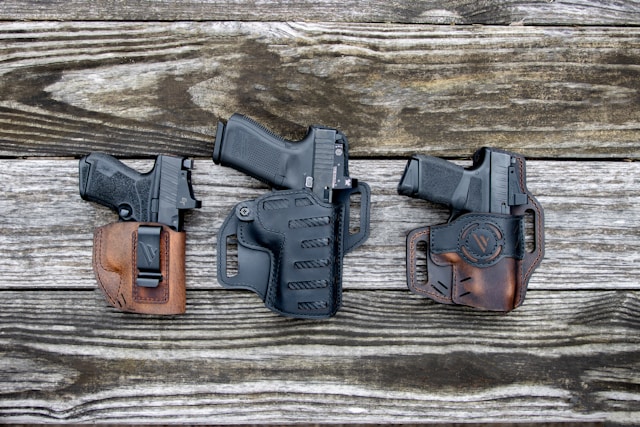
There are several different kinds of concealed carry holsters, each designed to offer different benefits depending on the user’s needs and lifestyle. Here are some popular options:
- Belly Band Holsters: These flexible holsters wrap around the abdomen, providing versatile carry options. They are made from stretchy material, allowing them to fit comfortably around the torso. Belly band holsters are great for individuals who want to avoid carrying a firearm on their waistband, as they can be worn higher or lower on the body, depending on preference.
- Appendix Carry Holsters: Positioned at the front of the body, appendix carry holsters allow for easier and quicker access in case of an emergency. This type of holster is favored for its simplicity and swift draw capability, although comfort can vary depending on body type.
- Shoulder Holsters: Worn under the arm, shoulder holsters are popular among those who need to sit or drive for long periods. They evenly divide the gun’s weight over their shoulders, reducing strain on the waist or hips. These holsters are often used by law enforcement and individuals who carry larger, heavier firearms.
- Pocket Holsters: Designed for small firearms, pocket holsters fit snugly inside a pocket. They prevent the firearm from shifting or printing (showing through clothing) and provide a discreet carry option. Pocket holsters are ideal for those who prefer carrying a smaller firearm or need to carry it inconspicuously.
- Inside-the-Waistband (IWB) Holsters: These holsters are worn inside the waistband, making them one of the most discreet carry options available. IWB holsters offer excellent concealment and are compatible with various clothing styles. Users can adjust the position for comfort and accessibility.
- Outside-the-Waistband (OWB) Holsters: Worn outside the waistband, OWB holsters offer a more traditional carry method. While they may require a cover garment for adequate concealment, OWB holsters provide easy access and are generally more comfortable for extended wear.
Choosing the Right Holster
Selecting the right holster involves considering several key factors to ensure both comfort and practical concealed carry:
- Comfort: Ensure the holster does not cause discomfort during movement or long periods of wear. Comfort is paramount to ensuring you can wear the holster daily without issues. Different body types and clothing preferences will affect the level of comfort, so it’s important to try various holsters to find the best fit.
- Concealment: The holster should effectively hide the firearm under everyday clothing. A good concealed carry holster minimizes any printing or bulging, ensuring that the firearm remains unnoticed. Belly band holsters, for instance, offer excellent concealment due to their flexible design.
- Accessibility: The firearm should be easily accessible when needed. Quick and smooth draws are essential in any self-defense situation. Holsters with adjustable cant (angle) and ride height (position on the body) can enhance accessibility.
Legal Considerations
Understanding local concealed carry rules and restrictions is crucial. Each state has different rules, so ensure firearms comply with the law in your area. Additionally, consider obtaining a concealed carry permit if required. Ignorance of the law is no valid defense, so take the time to familiarize yourself with the regulations in your jurisdiction.
For more detailed information on your concealed carry laws, consult this resource from the NRA. Staying informed will help ensure you carry legally and responsibly. Knowledge of the law will also help you make informed decisions about where and how to carry your firearm.